
Rimauresq
Learn more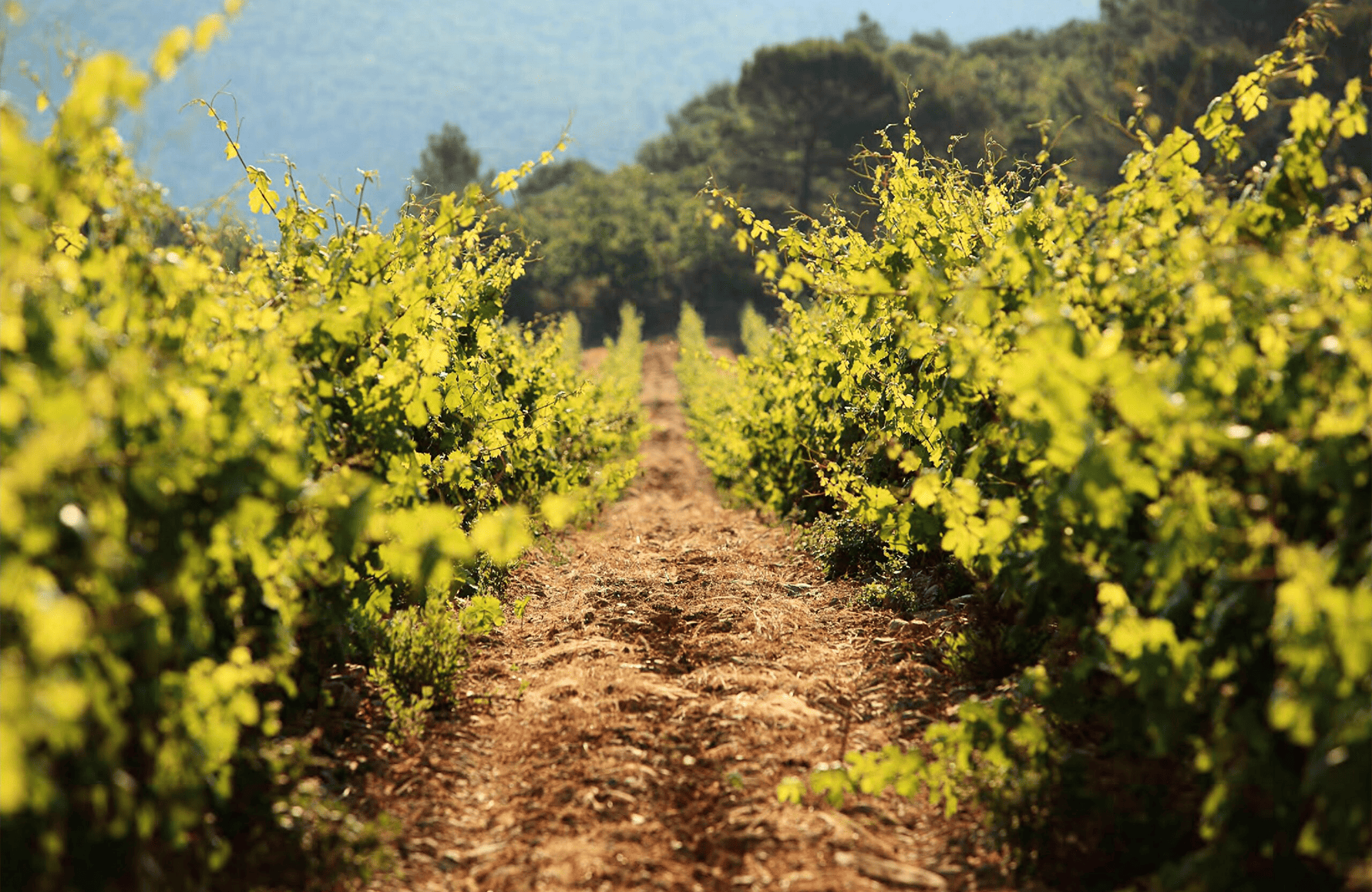
No products found
Use fewer filters or remove all
History of the Estate Rimauresq
The Rimauresq Estate from the 19th century to the present day
The 150-year evolution of this family property
THEDomaine Rimauresqis located in the heart of theProvence, in themunicipality of Pignan, about twenty kilometers from Toulon. Its origins date back to the 19th century, when the original vineyard was destroyed by phylloxera and replanted in 1882 by Augustin Isnard. The Toulon town hall awarded him a silver medal in 1885 for the vineyard's restoration and the exceptional quality of his wines. The name Domaine Rimauresq was chosen at that time and refers to the Rivière des Maures, “Real Mauresque,” which flows through the vineyard. In 1941, the estate owners joined forces with other neighboring properties to create theCôtes de Provence Winegrowers' AssociationThe goal was to create the now well-known Appellation d'Origine Contrôlée (AOC), which would thus recognize the estate's wines. In 1955, Domaine Rimauresq became one of the founding members of the club ofClassified Growths, himself possessing this illustrious distinction.
Finally, in 1988, theScottish family Wemyssbuys back the estate from its historical owners, the Isnard family. They are still at the helm, with the ambition of cultivating the vineyard as respectfully as possible. In 2017, they will also be shifting their viticultural practices towardsOrganic Farmingin order to be in perfect harmony with their values.
The influence of the local climate on the Rimauresq Estate
A typical Provençal vineyard
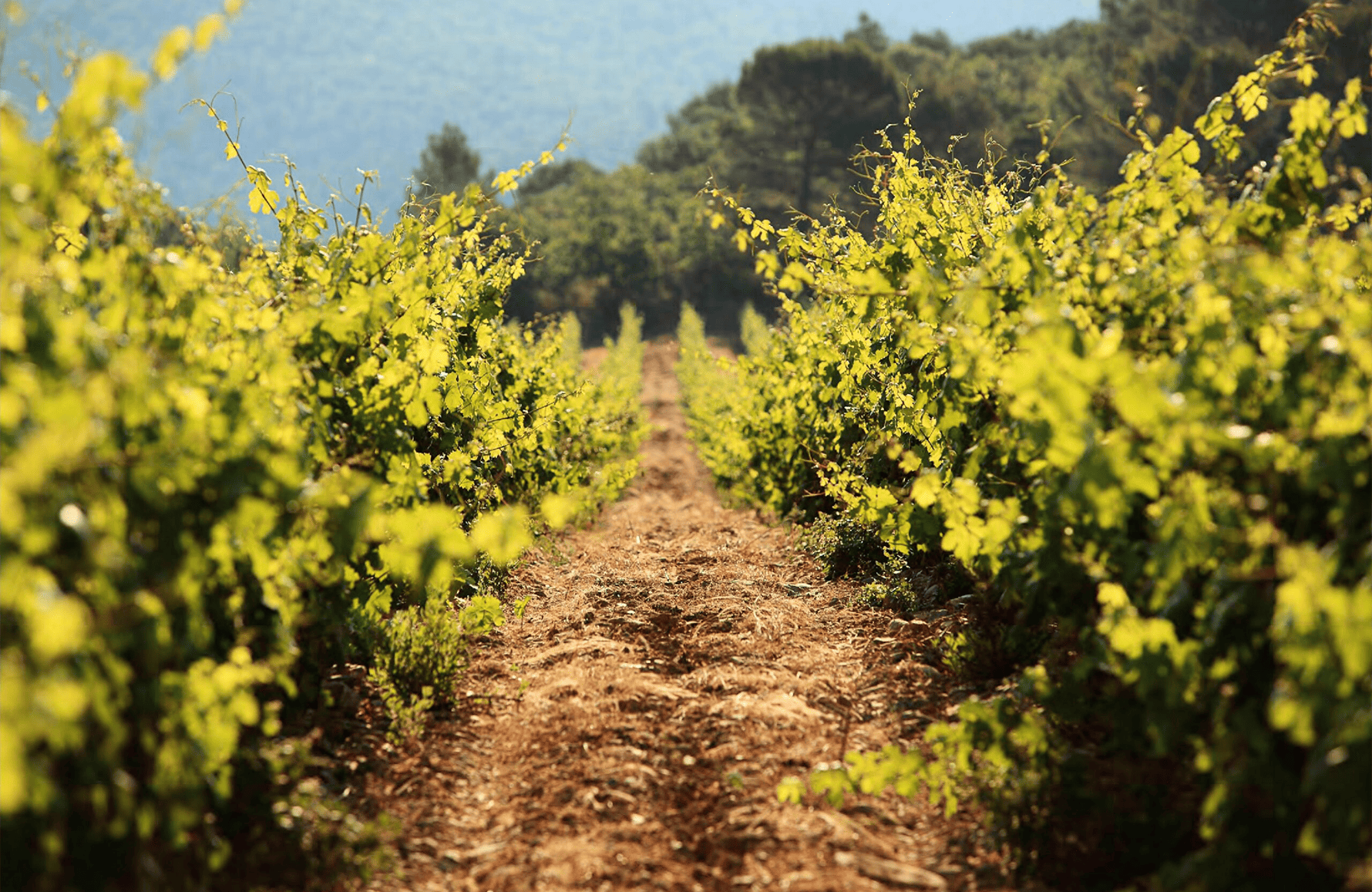
THEDomaine RimauresqIt benefits from a typically Mediterranean climate, notably with the presence of the mistral wind, but also from a microclimate that distinguishes it from other areas of the appellation.Côtes de Provence.Indeed, the presence ofMaures massifbrings aRefreshing shadewhich contrasts with the region's usual heat. Furthermore, the 60-hectare vineyard is situated on a slope, its altitude varying between 140 and 190 meters, resulting in a certain diversity of soil between the plots. Indeed, it is not uncommon to see several terroirs coexisting within a single plot. The soil itself is also typical of Côtes de Provence vineyards, beingclayey-schistose and crystallinewith more partssandy and stony.
Regarding grape varieties, Domaine Rimauresq has the distinction of producing white, red, and rosé wines every vintage. Nine different grape varieties are grown in its vineyard. For red wines, Syrah, Grenache, Carignan, and Cabernet Sauvignon are planted. For white wines, there is the typical Var grape variety: Rolle. Finally, for rosé wines, there are Cinsault, Mourvèdre, Tibouren, and Ugni Blanc.great diversityThis allows us to produce a wide range of excellent, very varied wines each vintage.unique personality.
The year 2017 at Domaine Rimauresq
Turning towards Organic Farming
The new owners ofDomaine Rimauresqmake the choice in 2017 to orient the cultivation of the vineyard towardsOrganic Farming.This involves, in particular, respecting the environment by adapting to its rhythm, limiting the use of chemical inputs, and carrying out vineyard work in the most traditional way. For example, after the harvest, asoil quality studyis being carried out to identify the plots most deficient in nutrients. These will then be amended with organic manure to address this problem.
The expertise of Domaine Rimauresq certainly doesn't stop there. Indeed, to create such excellent wines each vintage, wines even considered among the very best in...Côtes de ProvenceThe aging and winemaking stages are paramount. Thus, the reds, whites, and rosés are vinified using very specific methods to suit their individual needs. Once bottled, the estate's reds are silky and incredibly subtle. They also benefit from the distinctionCôtes de Provence Cru Classéwhich guarantees their high quality. The rosés, for their part, possess a great aromatic richness and are best enjoyed young. Finally, the whites also have Cru Classé status and are characterized by strong aromas, exceptional length on the palate, and a complex nature.