The ascent of Spinetta
A domain conquering Italy
The ambition to producea great wine in Italyis present inthe Rivetti familysince the 19th century. Giuseppe Rivetti made this dream a reality in 1977 by buying vineyards in Castagnole Lanze in thePiedmontand by foundingThe Spinetta.This name, meaning “the hilltop,” reflects the location of the winery. At that time, the region was known for its simple, light wine: Moscato d'Asti. The Rivetti family would give this wine its distinctive character.a new greatnessbefore producing other great wines.
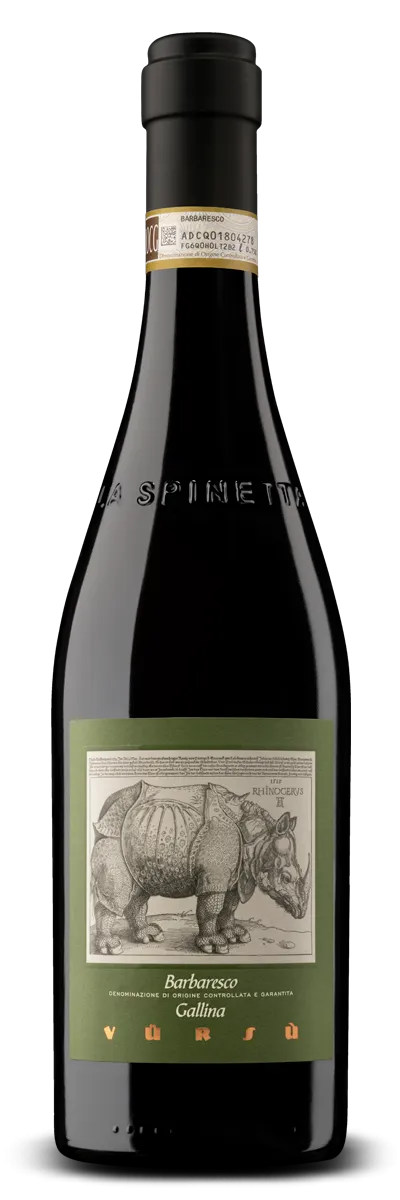
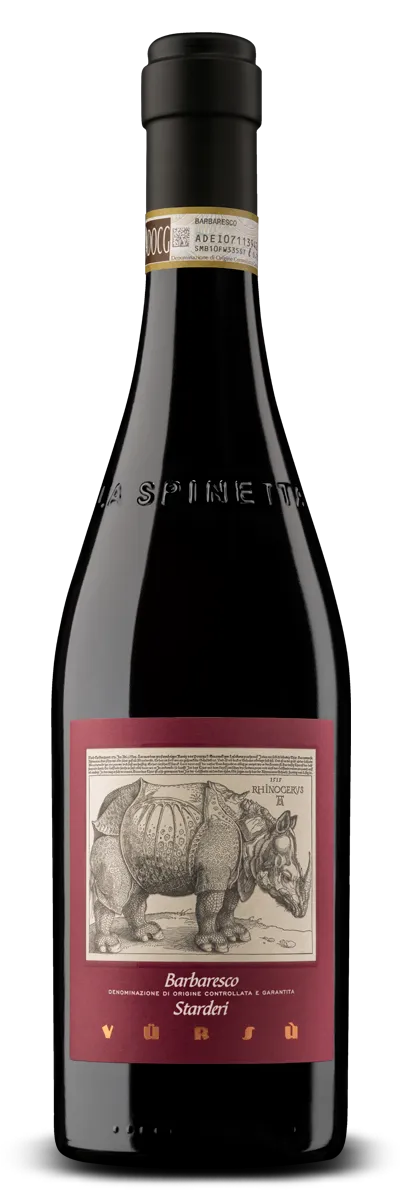
In 1995, the first Barbaresco appellation red wine was produced. Then in 2000, the Rivetti family bought a new vineyard inGrinzane Cavourand built a cellar equipped with the highest technology in order to produce an appellation wineBarolo.La Spinetta's conquest of Italy continued in 2001 with the acquisition of 65 hectares of vineyards inTuscanywhere the Rivetti family produces three 100% Sangiovese wines, to which were added between 2004 and 2012:
- a colorino
- a vermentino
- a kind prugnol
- a Chianti
- a rosé wine.
Finally, Spinetta is expanding again with a new cellar atCanelliin Piedmont, Contratto, which is one of the oldest sparkling wine producing estates in the country.
The Spinetta vineyards
A philosophy that respects the vineyard and its history
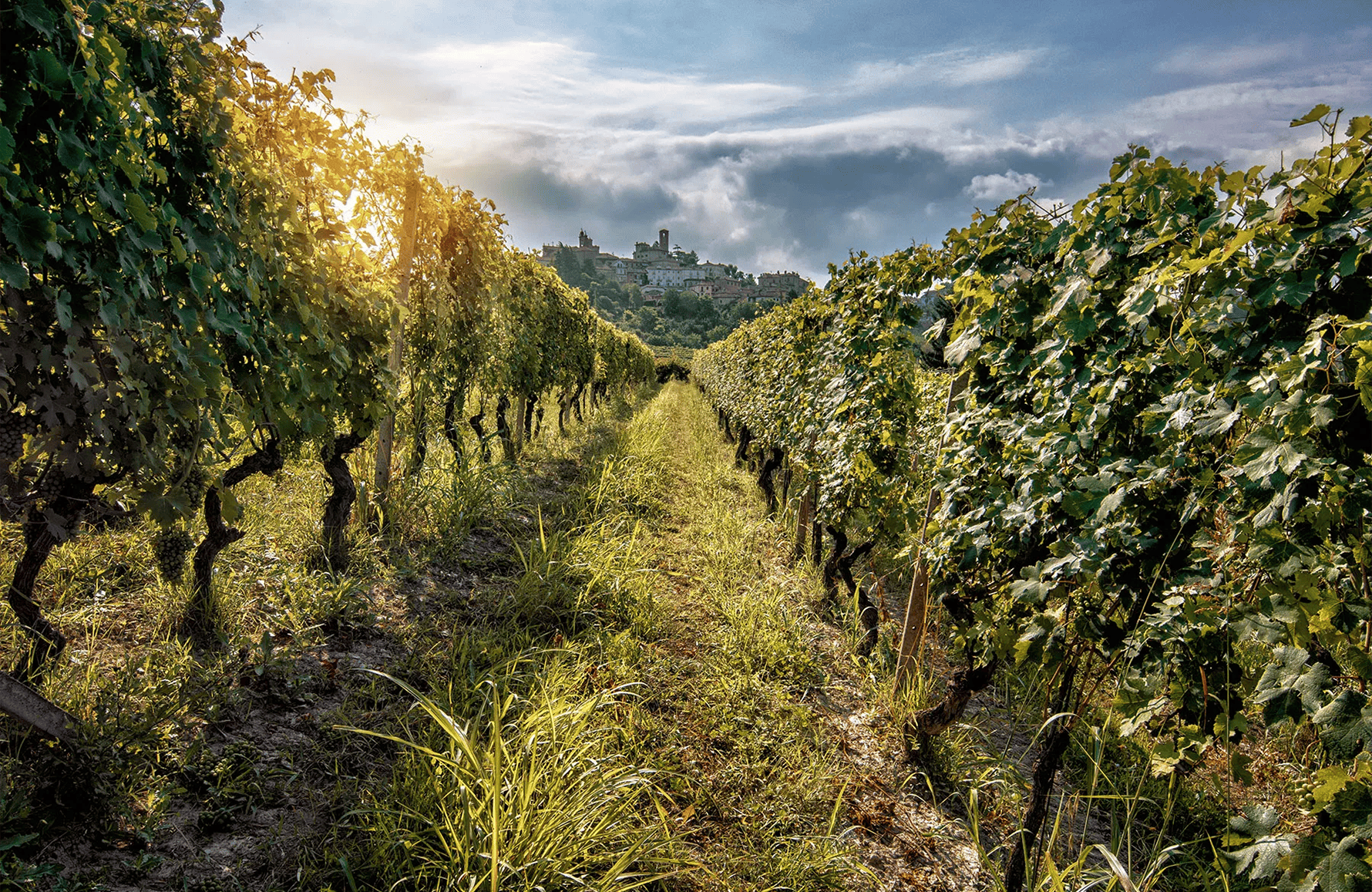
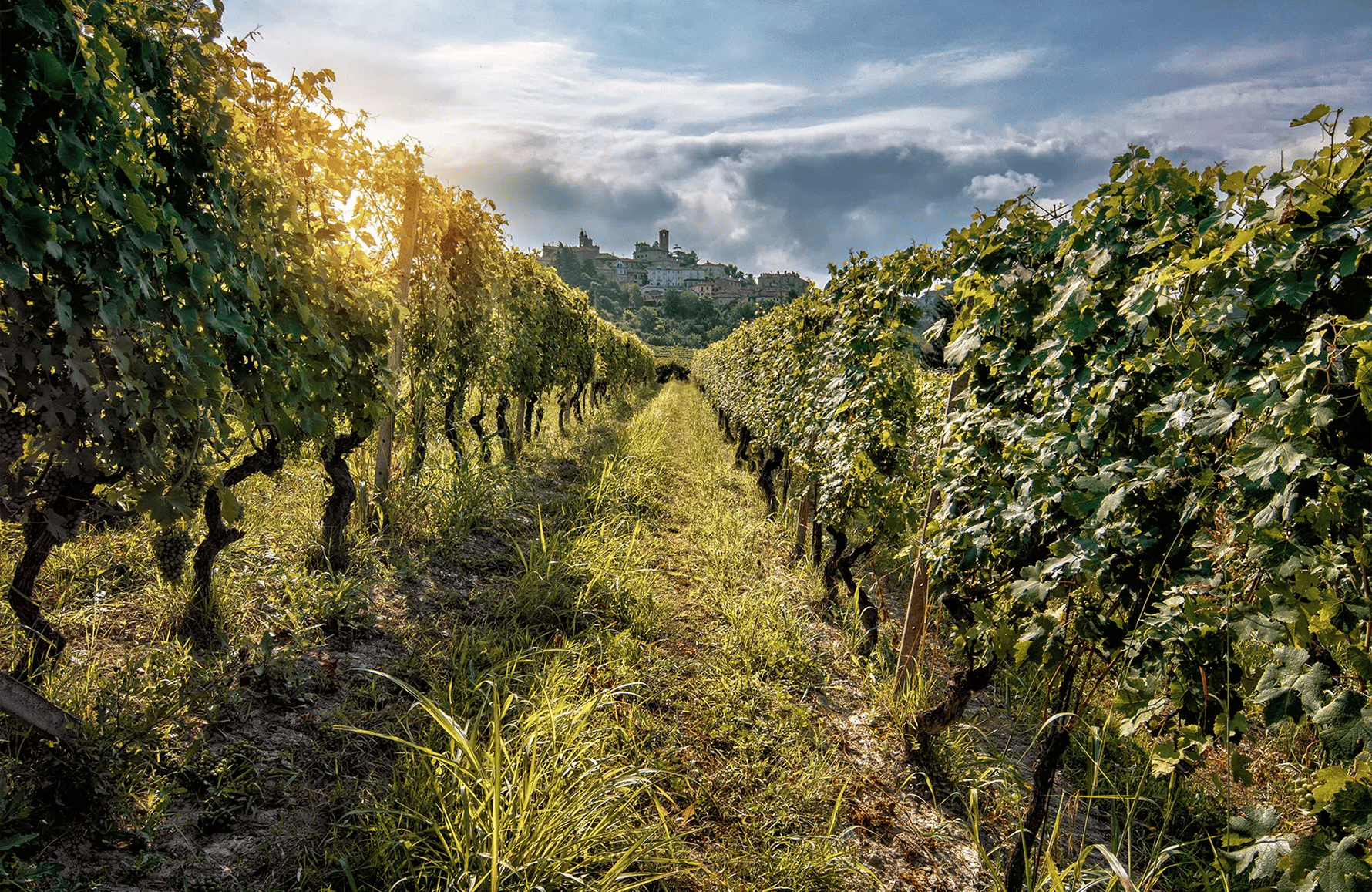
The four vineyards ofthe SpinettaThey benefit from a south, southeast, and southwest orientation and are between 35 and 65 years old. The youngest vines are used exclusively for the production of Barbera Cà di Pian, Langhe Nebbiolo, and Il Nero di Casanova. At Spinetta, the winemakers are aware of the age of the vines andtreat this land with the utmost respectViticulture uses very few chemicals and yields are maintained between 17 and 20 hectoliters per hectare in order to ensurethe quality of the berries75% of the vineyards are cultivated inbiodynamicsand the grape harvest is done by hand from the beginning of September for white grapes and between the end of September and the beginning of October for red grapes.
Only indigenous grape varieties are grown in the 165 hectares of vines at Spinetta. The estate's philosophy is toreturning to Italian rootsand to achieve this, each wine produced respectstraditional grape varietiesof its region. Thus, in Piedmont, the indigenous grape varieties Barbera, Nebbiolo, and Moscato are cultivated, while in Tuscany, Sangiovese, Colorino, and Vermentino are found. A team of 55 people is responsible for maintaining the vines throughout the year and carrying out the meticulous harvest.
The wines of Spinetta
A reflection of the terroir and the vineyard
The philosophy ofDomaine La Spinettathe winery isto reflect the terroir in an authentic waythrough its wines. While the winemaker guides the process, it is the vineyard that imparts the very essence of the wine. To ensure the quality of the winemaking and a perfect level of hygiene, the Spinetta winery is equipped with the most state-of-the-art equipment.high technologiesThe first alcoholic fermentation on the skins is carried out using rotary fermenters. The majority of Spinetta wines are neither filtered nor aged, and modern technologies allow for perfect control of each stage of winemaking. Finally, 80% of the barrels used are new French oak, and the temperature and humidity of the cellar are regulated. The stoppers chosen to seal the bottles are all natural corks.
InTuscany,Three 100% Sangiovese wines are produced, offering a beautiful balance and revealing their full potential after 10 years in the cellar. The Vermentino has a delightful acidity and reflects the elegance of this Tuscan wine. The wines made from the Colorino grape are floral and fruity and can be enjoyed both young and after a few years of aging.Piedmont,Barolo and Barbaresco wines are more complex, with firm, structured tannins, notes of ripe fruit, and sometimes spice. Wines made from the Barbera grape are smooth and elegant, while Moscato wines possess remarkable freshness.