The Slate Quarries
THE VINEYARD THROUGH THE CENTURIES
Traces of the Ardoisières estate can be found as early as 120 BC, with the arrival of the Romans in Allobrogia. It can be said, practically speaking, that it has existed since time immemorial. Subsequently, it appears in the writings of bishoprics, abbeys, and priories from the 5th century onwards, which managed it. In the 14th century, it is estimated to have passed into the hands of the nobility and the bourgeoisie, before returning to the peasantry in the 19th century. Before 1950, the vineyard covered more than 20,000 hectares, but was gradually abandoned for various reasons. Among them are:
- several episodes of phylloxera,
- the introduction of inferior hybrid plants,
- the region's limited tourist appeal at the time,
- the fact that wine is then perceived as an ordinary drink,
- extreme fragmentation of the plots (420 plots for 250 owners),
- the spiral of agricultural decline.
All these reasons almost led to the demise of the Savoyard vineyards, howevertwo thousand yearsIts total disappearance was very near. However, it was saved thanks to the determination of the mayor of the smallvillage of Cevins,Denis Perroux, which undertook the replanting of about twenty hectares in the 1990s.
Biodynamics
RESPECT FOR THE SOIL THROUGH BIODYNAMICS
THEArdoisières estateis currently managed in accordance with the principle ofbiodynamic farmingThis method involves caring for the land, regenerating, shaping, and maintaining landscapes while respecting the rhythm of nature. Thus, chemical products are abandoned in the treatment of plants, favoring natural products and homeopathy to preserve the plants' balance. Furthermore, theEarthly and lunar rhythmsThese principles are respected in order to minimize disruption to plant development and to carefully select intervention dates. Similarly, the principle of hoeing is applied. This involves working the soil at different times of the year, month, or day, again to best respect the plants' natural rhythms. Finally, biodynamic practices also extend to the harvest, which is done by hand, and the winemaking process.
Exceptional wines
A PRESERVED TERROIR PRODUCING EXCEPTIONAL WINES
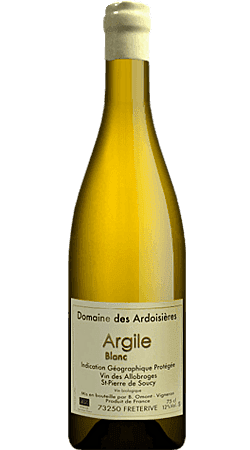
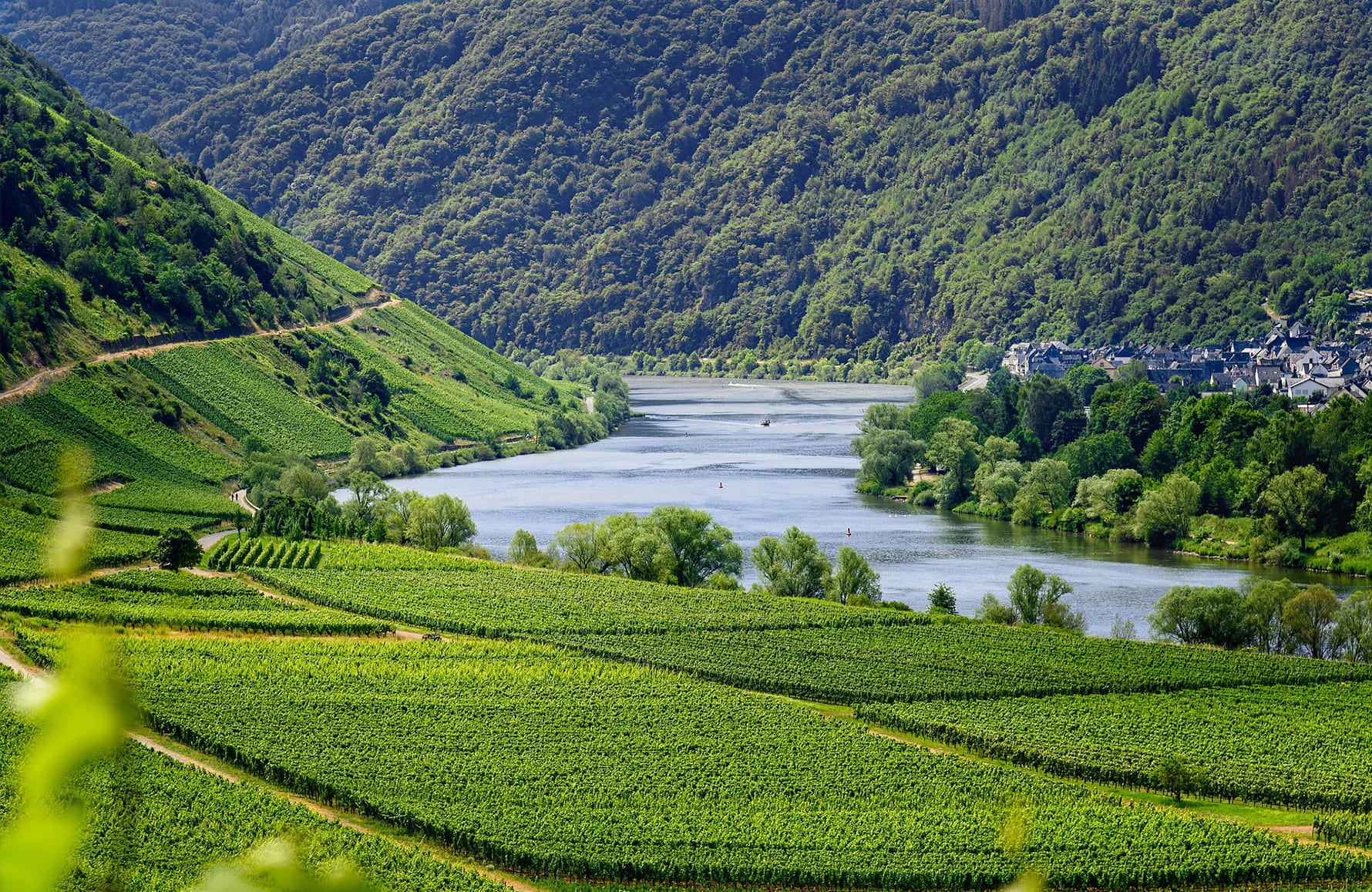
THEArdoisières estateToday, the estate comprises approximately 13 hectares, 3 planted with red grape varieties and 10 with white. It is divided into two sections: the Cevins hillside and the St. Pierre de Soucy hillside. The Cevins hillside is entirely terraced, with slopes reaching up to 60%, resulting in very low yields in some parts of the plot. The vines are therefore planted on stakes along the contour lines and produce an average yield of 25 hectoliters per hectare. The soil is both silty-sandy and, in places, clayey, and produces different grape varieties within the plot. The red grape varieties include...PersianAndBlack Mondeuseand in whiteHighness,Roussanne,White Mondeuse,MalvasiaAndJacquèreThe hillside of St Pierre de Soucy, now, is composed of sedimentary rock, Jurassic schistose marls, and clay-limestone soil. Again, the slope is moderate to steep, with an average yield of 40 hectoliters per hectare. Several grape varieties are once again present on the plot. For red wines, one will find...GamayMondeuse Noire and Persan, and Jacquère Blanc,Chardonnayand Mondeuse blanche.