The history of Domaine Jean Grivot
A family with a passion for five generations
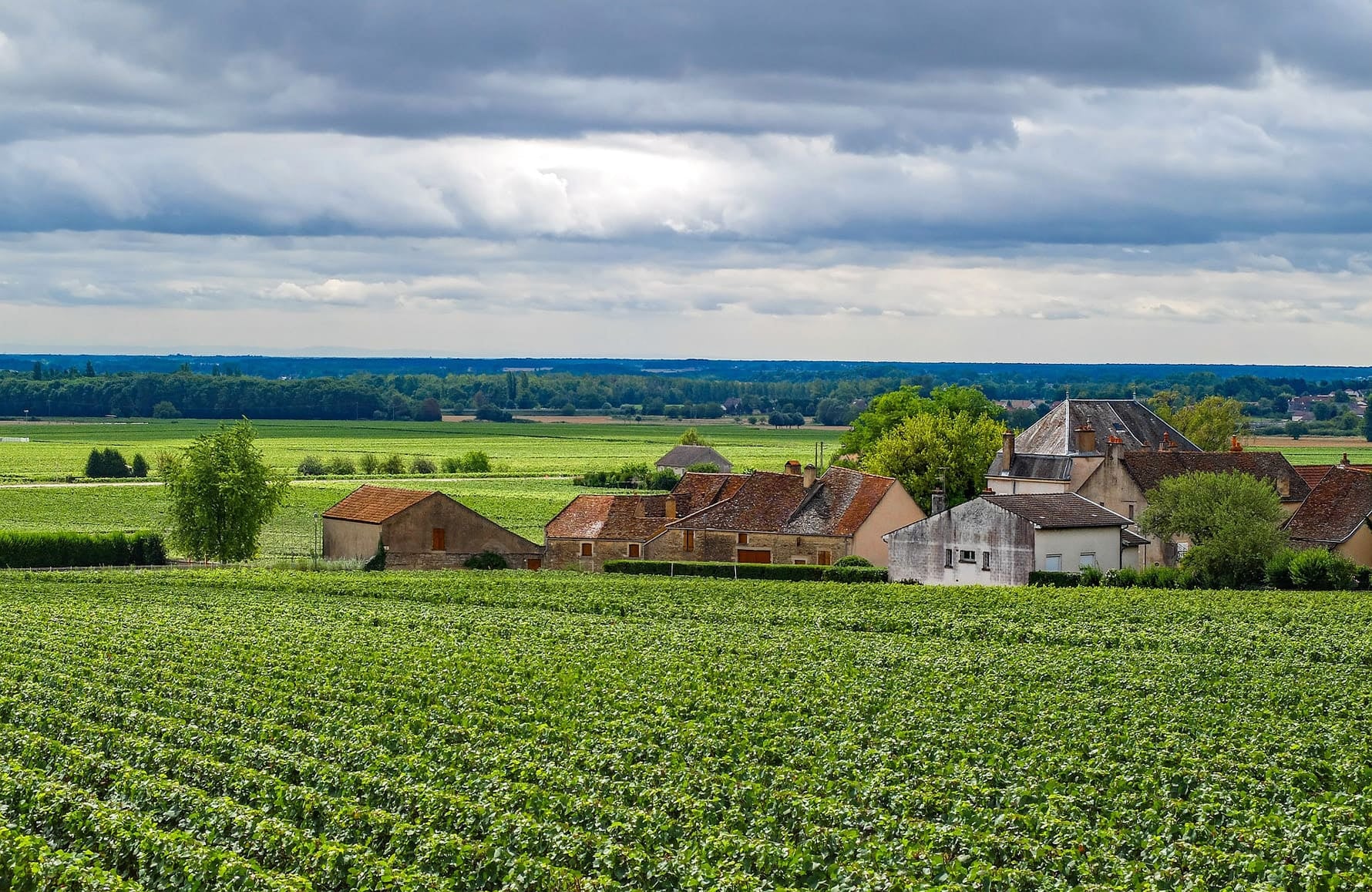
The Jean Grivot Estateis a historic family property of theVosne-Romanéewhich extends over 15 hectares of vineyards, spread across22 different namesFor generations, Domaine Grivot has been among the most remarkable in Burgundy. In 1919, the estate acquired a parcel of the famousGrand Cru Vougeot.In the 1930s, the Grivot family were among the first to sell and bottle their own wine in the Vosne-Romanée region.
Since 1987,Étienne Grivot, son ofJean Grivot, is at the head of the estate, representing the fifth generation of this winemaking family. For the past few years, he has also been joined by his two children,Mathilde and Hubert.
The terroir of Domaine Jean Grivot
On the lands of Vosne-Romanée
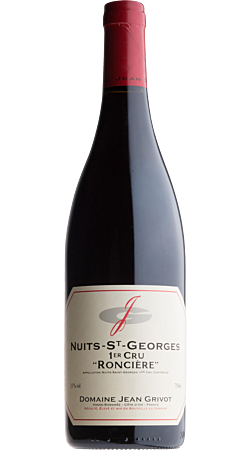
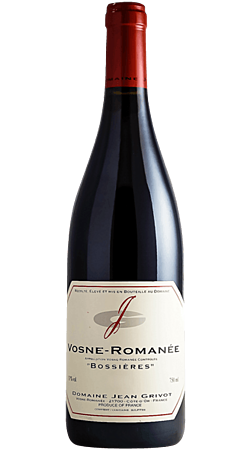
In total, the area ofGrivot EstateIt comprises around fifteen hectares spread across a collection of parcels extending from Nuits-St-Georges to Chambolle-Musigny. Wines are produced in the following appellations: Richebourg, Echezeaux, Clos de Vougeot for the Grands Crus, Vosne-Romanée 1er Cru (Les Beaux Monts, Aux Brûlées, Aux Reignots, Les Chaumes, Les Suchots), Vosne-Romanée Les Boissières, Nuits-Saint-Georges 1er Cru (Les Pruliers, Aux Boudots, Roncière), Nuits-Saint-Georges (Aux Lavières, Les Charmois), Chambolle-Musigny La Combe D'Orveaux and Bourgogne Pinot Noir.
While the wines possess a classic style in the best sense of the word, the arrival of Étienne Grivot's children has fostered the creation of wines with greater richness and character. They are recognized for being more precise, more silky, and with more body. Vintage after vintage, the quality of the wines is constantly improving. In fact, 2018 and 2019 are considered to have been particularly exceptional.
Winemaking at Domaine Jean Grivot
The harmony of wines
The estate practices organic farming with soil cultivation. The harvest is 100% manual. To achieve harmonious wines, Etienne Grivot adapts his winemaking to each vintage. The estate also practices organic agriculture. Ploughing is done primarily with horses.
As for the winemaking methods, they are quite traditional: the destemmed grapes undergo a gentle punch-down, and then fermentation begins naturally. A pump-over is then carried out daily, without further punch-downs. Once fermentation is complete, the wine is transferred to barrels. The wines are then aged in oak barrels for 15 to 18 months before being bottled directly at the estate. The vines are on average 60 years old, and the number of bottles produced annually is 75,000.