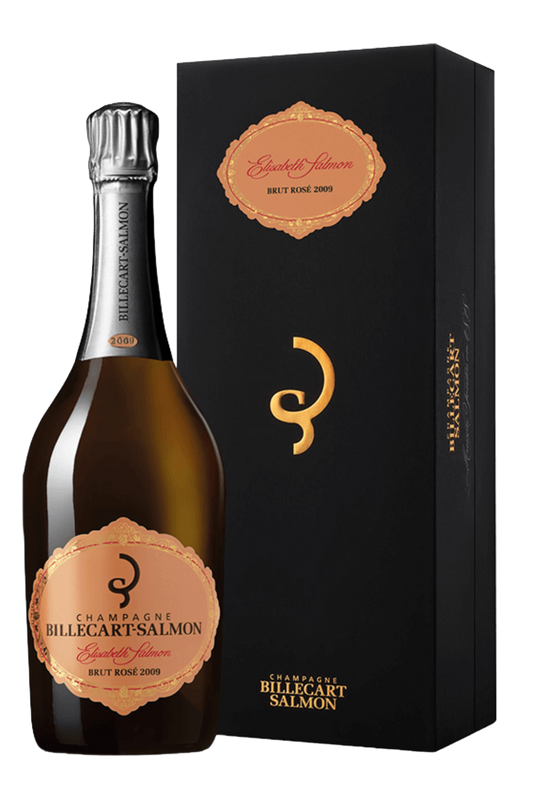
200 years of history for Maison Billecart-Salmon
The beginnings of the House with Nicolas François and Elisabeth Salmon
ThereBillecart-Salmon Housewas founded in 1818 byNicolas François Billecartand his wifeElisabeth Salmonin Mareuil-sur-Aÿ, in Champagne. Partnered with his brother-in-law, Louis Salmon, Nicolas François handled sales and marketing, while Louis, a passionate oenologist, focused on winemaking. In 1900, the winery gained recognition at the Universal Exhibition in Paris, further solidifying its reputation.
After the First World War,Charles Roland-Billecartturns the company around, and it successfully resumes production. Under the direction ofJean Roland-BillecartIn the 1950s, the house innovated with a prolonged fermentation at low temperature, characteristic ofBillecart-Salmon champagnesIn the 1970s, Brut Rosé became an iconic vintage, marking a new era of prestige.
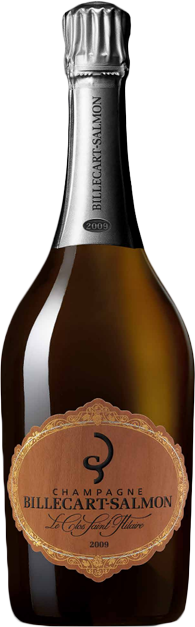
The 1990s saw a strategic repositioning underFrançois Roland-Billecart, then the creation of Clos Saint-Hilaire in 1995, an exclusive cuvée produced in small quantities. Today, managed byMathieu Roland-BillecartThe seventh generation, the house celebrates its 200 years of independence and excellence in 2018, remaining aessential referencein the world of champagne.
The Billecart-Salmon Terroir
Carefully tended vines in the heart of Champagne
ThereBillecart-Salmon Housebenefits fromexceptional terroir, spread across 100 hectares of owned vineyards and extending over a total area of 300 hectares thanks to external supplies. Located in the heart of Champagne, the estate sources its grapes from40 prestigious wines, particularly in iconic regions such as the Côte des Blancs, the Montagne de Reims, and the Vallée de la Marne. These areas offer a diversity of limestone and clay-limestone soils, which contribute to the minerality and elegance characteristic of the wines of the house. The majority of the grapes used byBillecart-SalmonThe grapes come from within a 20-kilometer radius of Épernay, where the noble grape varieties of Champagne flourish: Pinot Noir, Chardonnay, and Pinot Meunier. Each plot is cultivated with meticulous care, respecting nature and the growth cycles, guaranteeing grapes of optimal quality. Sustainable viticulture practices prioritize those that preserve biodiversity and soil health, while minimizing environmental impact. This attention to the terroir, combined with rigorous plot selection, allows for the creation of cuvées that fully express the identity of each vintage and each cru.
A unique expertise in the art of winemaking
Chalk cellars where time shapes each vintage
ThereBillecart-Salmon Houseskillfully blends modernity and tradition to createexceptional champagnesFrom the 1950s onwards, the house innovated by adopting cold settling, clarifying the must before fermentation, followed by fermentation in temperature-controlled stainless steel tanks. This method, carried out at low temperatures, slows down the process and preserves the freshness and delicate aromas of the grapes. Thanks to the small 47-hectoliter tanks, each cru and each grape variety is vinified separately, ensuring traceability and a faithful expression of the nuances of the Champagne terroir. Aging continues in cellars where more than 400 barrels and 24 large casks contribute to refining the Champagnes, adding complexity and depth to each cuvée. This meticulous approach, where each barrel is carefully selected, guarantees a harmonious evolution of aromas and enhances the Billecart-Salmon style, renowned for its purity and elegance. The wines are then aged inchalk cavesDating from the 17th and 19th centuries, these cellars offer ideal temperature and humidity conditions. Non-vintage champagnes rest here for three to four years, twice the appellation requirement, while vintage cuvées age for up to ten years, allowing aromas to fully develop and the champagnes to gain maturity and complexity. This meticulous work gives Billecart-Salmon wines a distinctive character marked by freshness, balance, and timeless elegance.