A story driven by grand ambitions
From François de Liscours to the Perse family
The origin ofMonbousquet CastleDating from 1540, its creation is attributed to François de Liscours. Later, in 1682, Henri de Gères acquired the Château and oversaw its renovation at the foot of thehills of Saint-EmilionThe property was passed down through generations until the marriage of Jeanne de Gères to François de Carles. The vineyard then became part of this family's estate, which had been present in the Bordeaux region since the 14th century. Major restructuring work was undertaken on the estate. At the same time, in 1779, the château as we know it today was built. The 19th century was marked by some instability in the management of the Château. Nevertheless, the reputation and renown of the estate's wines continued to grow throughout the century. The Count of Vassal-Montviel significantly increased the estate's size through several acquisitions. While the world wars temporarily overshadowed the estate's reputation, it regained its prominence after 1945.
TherePersian familyIn 1993, they acquired Château Monbousquet. The reorganization of the vineyard, the winery, and the winemaking techniques was initiated immediately upon the arrival of the new owners.2006The efforts of all the Château's teams have been rewarded by the ranking of their wine asGrand Cru Classé of Saint-Emilion.
An ambitious Saint-Émilion wine industry
A perfect mastery of red and white grape varieties
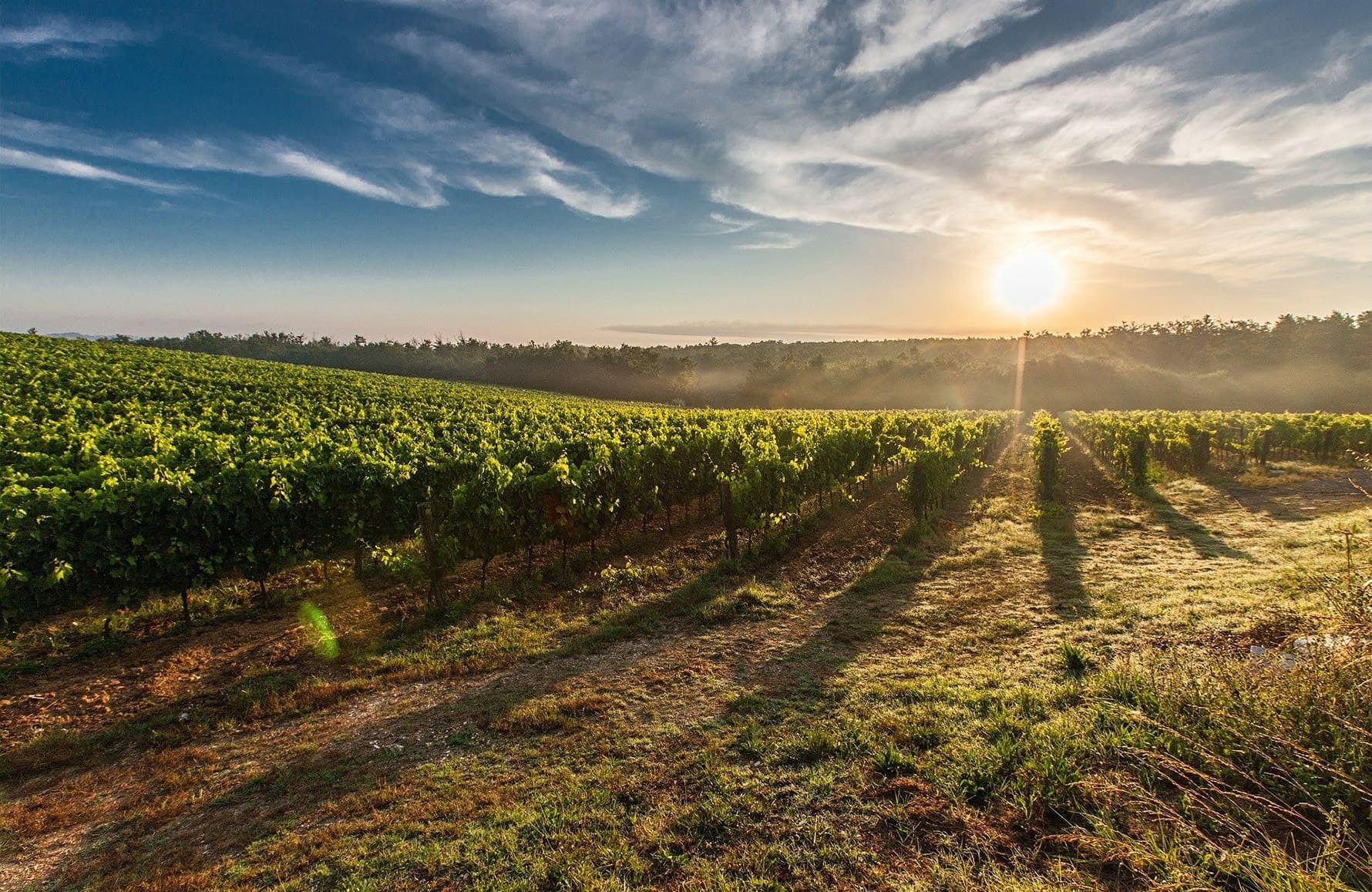
It is in the southwest of the appellation ofSaint-Emilionwhere the domain ofChâteau Monbousquet.The vineyard extends over32 hectaresof soil composed of gravel, sand, and clay. Thanks to the work carried out on the soil, from the arrival of thePersian familyThe vines flourish on better-drained soil. The sandy soils ensure efficient water filtration, while the clay provides freshness, regulating the heat generated by the gravel. Each grape variety can then fully express its unique characteristics. Merlot (60%) contributes roundness, Cabernet Franc (30%) finesse, and Cabernet Sauvignon (10%) structure. Château Monbousquet is among the pioneers of Saint-Émilion, being the first estate to offer...white wineson the appellation. Thus, one finds vines of Sémillon, Sauvignon Blanc, Sauvignon Gris and Muscadelle.
Viticulture is practiced conventionally byMichel Longoand its teams. Production is controlled. Château Monbousquet has opted for low yields in order to ensure thehigh qualitygrapes. This requirement contributes to the reputation of thisGrand Cru Classé.
The duo Jean-Philippe Lavantour and Gérard Perse
Winemaking by passionate individuals
After a hand-harvesting, the grapes are meticulously sorted and destemmed. Malolactic fermentation and other processes take place in tanks. The cellar master,Jean-Philippe Lavantour, a student of the famous Michel Rolland, makes a point of honor toto vinify on a plot-by-plot basis.The young wines are then placed in 100% new oak barrels for a period of 18 to 24 months. Frequent racking is carried out, on average every three months. The wood allows the aging wine to breathe and also helps to develop a more complex bouquet.
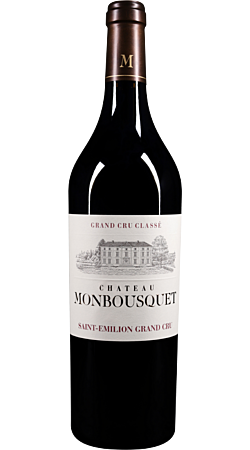
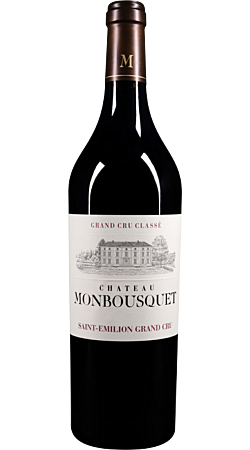
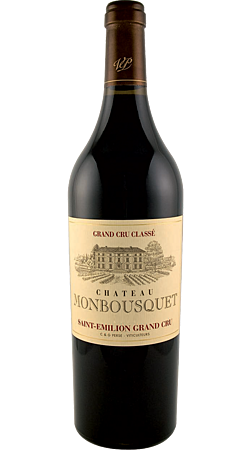
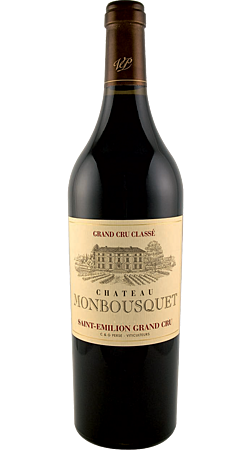
THEMonbousquet CastleThe estate produces two first wines, one white and one red. The Château's second wine, Angélique de Monbousquet, is only available as a red. These are wines of agreat delicacywhich are produced. As a self-taught winemaker, he offers consumers an ever more innovative approach to understanding these wines. Thus, each tasting offers pleasant surprises.